
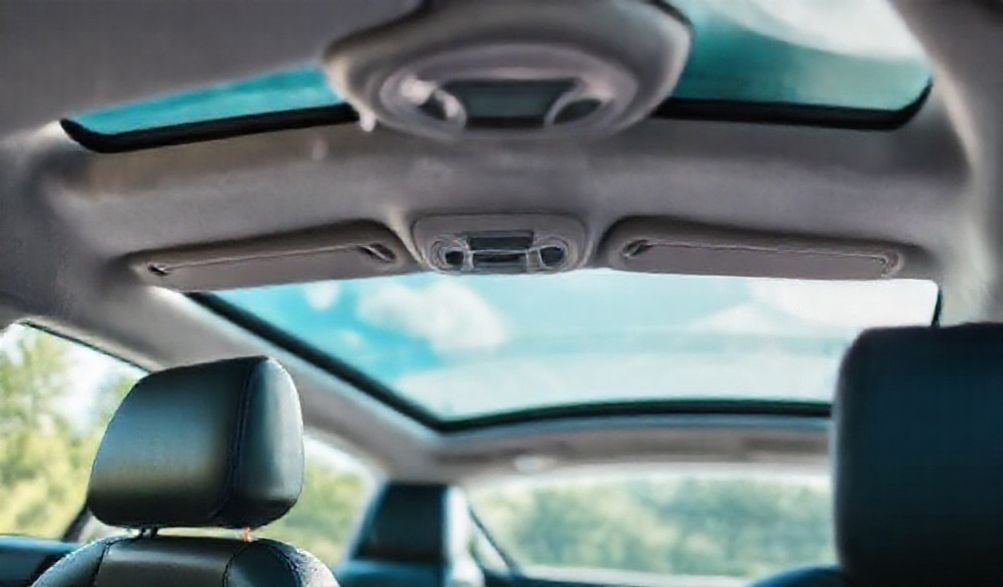
Why Panoramic Sunroofs Need Dedicated Protection
Panoramic sunroofs have become one of the most desirable features in modern vehicles. From luxury sedans to family SUVs, drivers appreciate the open-air feel and natural light that a large glass roof provides. However, this expansive glass surface also introduces unique risks that standard factory glass is not designed to handle. Road debris, hail, UV radiation, and temperature stress can all compromise the integrity of a panoramic roof over time, leading to costly repairs and reduced driving comfort.
Automotive sunroof protection film is engineered specifically to address these challenges. Unlike generic window tint, this transparent urethane film acts as a sacrificial barrier that absorbs impact energy, blocks harmful ultraviolet rays, and helps regulate interior temperature. In this guide, we explain the technology behind sunroof protection film, compare material options, and show how professional installation delivers long-term value for vehicle owners and fleet managers.
How Sunroof Protection Film Works
Sunroof protection film is typically constructed from thermoplastic polyurethane (TPU) or polyvinyl chloride (PVC) layers bonded with advanced adhesive systems. The film is applied to the exterior surface of the glass roof, creating a flexible shield that distributes force across a wider area. When a stone or piece of debris strikes the roof at highway speed, the film absorbs much of the kinetic energy before it reaches the glass substrate.
Leading products also incorporate UV-stabilized chemistry that blocks up to 99 percent of ultraviolet A and B radiation. This protection reduces cabin heat buildup on sunny days, decreases fading of interior upholstery and dashboard materials, and lessens the thermal load on the vehicle air conditioning system. Some films include hydrophobic top coatings that cause water to bead and sheet off, improving visibility through the roof during rain and reducing mineral spotting from hard water.
TPU vs. PVC: Choosing the Right Material
Not all sunroof films perform equally. The two dominant material categories are thermoplastic polyurethane and polyvinyl chloride, each with distinct characteristics that suit different budgets and performance goals.
TPU sunroof film represents the premium tier. It offers self-healing properties that allow minor scratches and swirl marks to disappear when exposed to gentle heat from sunlight or a warm garage. TPU maintains excellent optical clarity over a multi-year lifespan, resists yellowing, and remains flexible in cold climates. These films typically carry manufacturer warranties of five to ten years and are the preferred choice for luxury vehicles and long-term ownership.
PVC sunroof film provides a more accessible entry point. It delivers solid impact resistance and UV blocking at a lower price point, making it suitable for short-term lease vehicles or budget-conscious owners. The trade-off is reduced durability compared to TPU, with a higher tendency to discolor or become brittle after prolonged UV exposure. PVC films generally carry shorter warranties and may require replacement after two to four years depending on climate and driving conditions.
Installation Best Practices for Large Glass Roofs
Panoramic sunroofs present unique installation challenges because of their size, curvature, and the presence of embedded antennas, rain sensors, or defrost elements. Professional installation follows a systematic process to ensure full coverage without optical distortion.
The first step is thorough surface preparation. Technicians clean the exterior glass with clay bars and alcohol solutions to remove bonded contaminants that could cause lift points or bubbles. The film is then cut using precision plotter software that references vehicle-specific templates, eliminating the need for hand-trimming on the glass itself and reducing the risk of scratching.
During application, the installer uses a slip solution and heat gun to position the film and activate the adhesive. For large panoramic panels, the film is often applied in overlapping sections or with relief cuts at the edges to accommodate compound curvature. The completed installation is inspected under polarized light to confirm uniform adhesion and zero creases. Most shops recommend avoiding car washes and aggressive window cleaning for the first seventy-two hours to allow the adhesive to reach full bond strength.
Cost, Warranty, and Return on Investment
The cost of sunroof protection film varies with material grade, vehicle roof size, and regional labor rates. A typical TPU installation for a mid-size panoramic roof ranges from three hundred to six hundred dollars, while PVC options may start under two hundred dollars. This upfront investment should be weighed against the potential cost of sunroof glass replacement, which can exceed one thousand dollars on many vehicles, plus the inconvenience of scheduling body shop work and potential interior water damage if the glass fails while driving.
Beyond financial considerations, there is measurable value in cabin comfort and interior preservation. Studies show that high-quality UV-blocking film can reduce cabin temperatures by several degrees on hot days, which translates to lower air conditioning usage and improved fuel efficiency or electric range. For fleet operators and ride-share drivers who log heavy miles in sunny climates, the payback period on sunroof film can be under two years.
Conclusion and Recommendation
Panoramic sunroofs enhance the driving experience but also expose a large, vulnerable glass surface to daily hazards. A dedicated sunroof protection film offers a practical, cost-effective layer of defense that preserves both the appearance and function of the roof. Whether you choose premium TPU for long-term peace of mind or a quality PVC solution for shorter ownership cycles, the key is professional installation and a product backed by a clear warranty.
At Wingofilm, we supply a comprehensive range of automotive protection films including TPU and PVC sunroof solutions engineered for optical clarity, durability, and easy installation. Our products are trusted by professional installers and distributors across global markets. Contact us today to request samples, discuss volume pricing, or learn more about our OEM and private-label programs for automotive film protection.
Contact us for product specifications, sample requests, and partnership inquiries.