
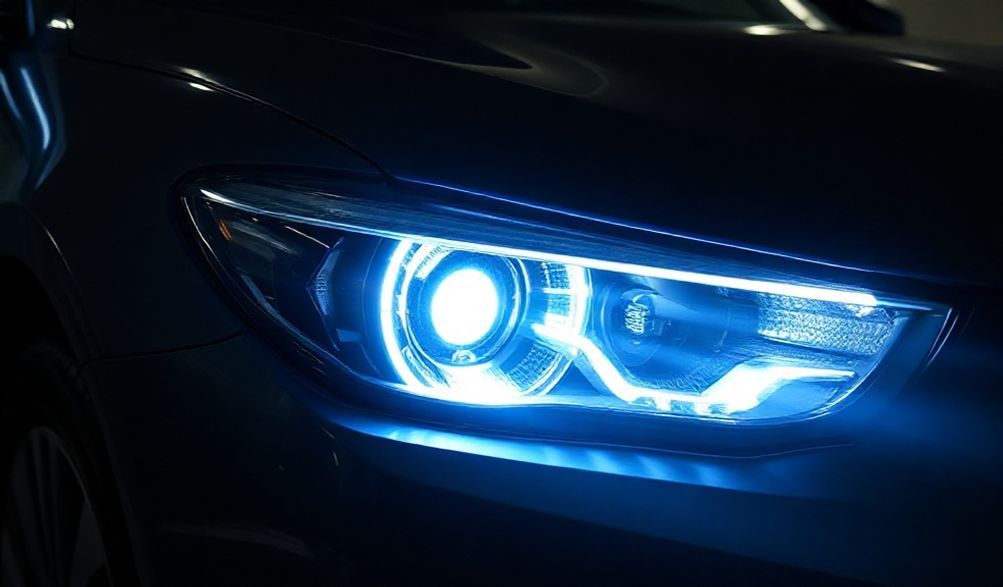
Headlight protection film has become an essential upgrade for vehicle owners who want to preserve the clarity and durability of their headlights. Modern headlights use polycarbonate lenses that are lighter and more impact-resistant than traditional glass, but they are also more vulnerable to UV yellowing, pitting from road debris, and oxidation. A high-quality headlight protection film applies a transparent, self-healing layer over the lens, blocking harmful UV rays and absorbing the impact of small stones. In this guide, we cover what headlight protection film is, the materials used, key benefits, how to choose the right film, and practical installation tips for 2026.
What Is Headlight Protection Film?
Headlight protection film, sometimes called headlight PPF or HPF, is a thin, optically clear thermoplastic urethane film applied directly to the surface of a vehicle’s headlight lenses. Originally developed for military and motorsport applications, the technology has evolved into a mainstream aftermarket product. The film acts as a sacrificial barrier: it takes the abuse from road debris, sand, insects, and UV exposure so the original lens does not have to.
Unlike spray-on ceramic coatings, which provide chemical protection but limited physical resistance, headlight protection film offers genuine impact absorption. Most films are between 6 and 8 mils (0.15 to 0.20 mm) thick, which is enough to stop small stones from chipping the polycarbonate surface while remaining virtually invisible to the eye.
Key Benefits of Headlight Protection Film
Investing in headlight protection film delivers several concrete advantages that extend well beyond simple aesthetics:
- UV and oxidation resistance: The film’s top coat blocks ultraviolet radiation, preventing the polycarbonate lens from yellowing, clouding, or becoming brittle over time.
- Impact and chip protection: The urethane layer absorbs the energy of flying debris, gravel, and insects, keeping the lens surface smooth and intact.
- Self-healing surface: Premium TPU films feature an elastomeric top coat that automatically repairs light scratches and swirl marks when exposed to heat from sunlight or warm water.
- Improved night visibility: By keeping the lens crystal clear, the film ensures that headlight beam output remains at factory levels, improving nighttime driving safety.
- Resale value: Headlights are one of the first things a buyer or inspector notices. Protected, clear headlights signal that the vehicle has been well maintained.
TPU vs. PVC: Which Material Is Right for You?
Not all headlight protection films are created equal. The two dominant materials on the market are TPU (thermoplastic polyurethane) and PVC (polyvinyl chloride), and the difference matters.
TPU film is the premium choice. It is highly flexible, resistant to yellowing, and features a self-healing top coat that repairs minor scratches automatically. TPU films typically last 5 to 10 years and maintain optical clarity throughout their lifespan. They are the material used by leading automotive OEMs and professional installers.
PVC film is the budget alternative. It is thicker and stiffer, making it easier to handle during DIY installation, but it lacks self-healing properties and tends to yellow and crack after 1 to 3 years of sun exposure. PVC is acceptable for short-term protection or for vehicles driven infrequently, but it is not recommended for daily drivers.
How to Choose the Right Headlight Protection Film
When evaluating headlight protection film options, consider the following factors:
- Material grade: Prioritize TPU over PVC for long-term durability and clarity. Look for films explicitly labeled as aliphatic TPU, which offers superior UV resistance compared to aromatic TPU.
- Thickness: 6 to 8 mils is the sweet spot. Thinner films offer less impact protection; thicker films may reduce light output and are harder to conform to curved headlight shapes.
- Adhesive quality: A pressure-sensitive acrylic adhesive ensures a strong bond without leaving residue if the film is removed later. Avoid films with aggressive adhesives that can damage the lens surface.
- Warranty: Reputable manufacturers offer 3 to 10 year warranties against yellowing, peeling, and cracking. A warranty is a strong indicator of product confidence.
- Pre-cut vs. bulk roll: Pre-cut kits are vehicle-specific and eliminate the need for trimming, making them ideal for DIY installers. Bulk rolls offer more flexibility but require skill to cut and shape.
Installation Tips and Maintenance
Proper installation is critical to achieving a bubble-free, long-lasting result. Start by thoroughly cleaning the headlight surface with isopropyl alcohol to remove wax, grease, and contaminants. Work in a dust-free, shaded environment to prevent premature adhesive curing. Use a slip solution (water with a few drops of baby shampoo) to position the film before squeegeeing out the liquid. Apply heat from a heat gun to stretch the film around curved edges, but keep the temperature below 200°F (93°C) to avoid damaging the adhesive.
After installation, avoid washing the vehicle for at least 48 hours to allow the adhesive to fully bond. For ongoing maintenance, wash the film with a mild car wash soap and a microfiber cloth. Avoid abrasive polishes or brushes. If the film develops minor scratches, parking the vehicle in direct sunlight for an hour will often activate the self-healing top coat and restore the surface.
Conclusion
Headlight protection film is one of the most cost-effective ways to preserve your vehicle’s appearance and safety. By choosing a high-quality TPU film, you can keep your headlights crystal clear for years, avoid costly lens replacements, and maintain optimal nighttime visibility. Whether you drive a daily commuter or a weekend sports car, protecting your headlights is an investment that pays for itself.
At Wingofilm, we manufacture premium automotive protection films engineered for clarity, durability, and ease of installation. Explore our range of headlight protection films and PPF products today. Contact us to learn more or request a quote.