
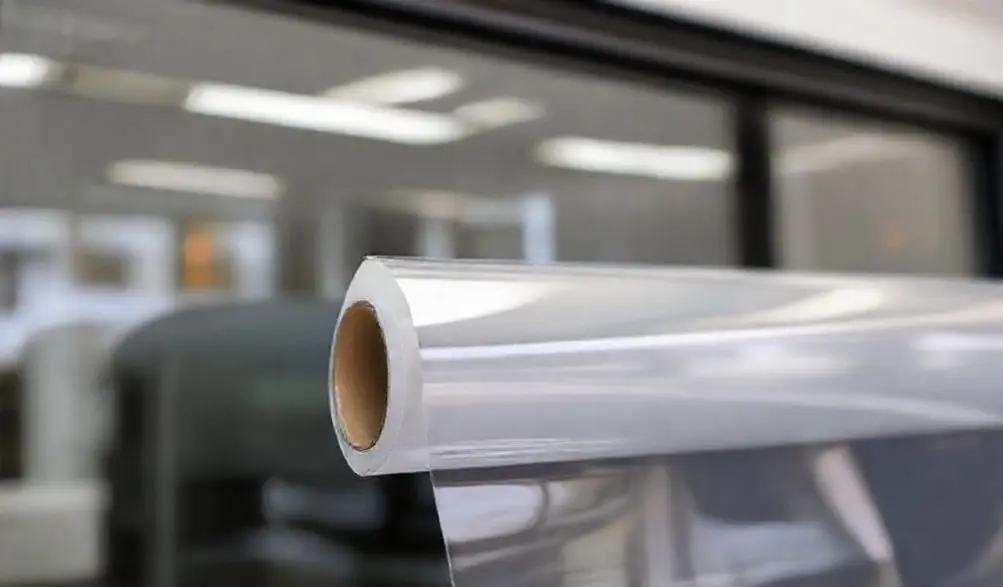
As 2026 progresses, sustainable architecture has shifted from a niche aspiration to a baseline expectation. New commercial buildings, hotels, hospitals, and high-end residential projects across North America, Europe, and Asia are being evaluated not just on upfront cost and aesthetics, but on measurable operational carbon, lifecycle emissions, and alignment with green-building certifications such as LEED v5, BREEAM, and the WELL Building Standard. Among the technologies gaining the most traction in this transition is switchable PDLC smart film, a thin, electronically controlled layer that can change a window from clear to opaque on demand. Far beyond a privacy upgrade, PDLC film is increasingly being specified as a passive energy-efficiency tool that helps buildings move closer to net-zero operation.
Why Sustainability Is Reshaping Glass Specification
Glass has always been the most energy-sensitive element of a building envelope. In hot climates, untreated glazing accounts for a substantial share of cooling load; in cold climates, it is a major source of conductive heat loss. Traditional solutions — low-E coatings, double or triple glazing, external shading — help, but they are static. They cannot adapt to changing solar angles, occupancy patterns, or seasonal needs.
PDLC smart film introduces something new: dynamic control over solar gain. In its opaque state, the film blocks a significant portion of visible light and infrared radiation, reducing heat buildup inside the room. In its clear state, it allows daylight to pass through, reducing the need for artificial lighting. Because the switch is instantaneous and can be automated based on sun position, occupancy sensors, or building-management input, it converts a passive facade into a responsive one.
How PDLC Smart Film Reduces Energy Consumption
The energy benefits of PDLC smart film come from two complementary mechanisms:
- Dynamic solar-heat-gain control: When the film is switched to opaque, measured solar-heat-gain coefficients (SHGC) drop noticeably compared to standard double glazing. This reduces the cooling load on HVAC systems during peak sun hours, which is exactly when electricity is most expensive and grids are most carbon-intensive.
- Daylight harvesting: When the film is clear, visible-light transmittance (VLT) remains high, allowing natural daylight deep into the floor plate. This reduces reliance on artificial lighting during daytime hours, which in office buildings typically accounts for 20 to 30 percent of total electricity use.
In ASHRAE 90.1-aligned energy models, facades that integrate switchable PDLC film with intelligent controls consistently show 10 to 20 percent reductions in annual HVAC and lighting energy versus static glazing of comparable U-value, depending on orientation, window-to-wall ratio, and climate zone. While exact savings vary by project, the directional trend is well established.
PDLC Film and the Push Toward Net-Zero Buildings
Net-zero buildings are designed to produce as much energy as they consume over a year. Reaching that target requires reducing demand on every front: lighting, heating, cooling, plug loads, and envelope performance. PDLC smart film contributes primarily on two of those fronts — but it also creates second-order gains that matter.
First, smaller HVAC systems. When peak cooling load drops, the chiller, air-handling, and ductwork can be downsized. That lowers both embodied carbon in the equipment and operational energy for fans and pumps. Second, better daylight penetration reduces the dimming threshold for lighting controls, which means LED fixtures can run at lower output for longer periods of the day. Third, occupants with access to natural light and glare control report higher comfort and productivity — a measurable, if harder to quantify, benefit for workplaces and healthcare facilities.
Alignment with LEED v5, BREEAM, and WELL
Green-building rating systems are catching up to the technology. Under LEED v5, points are awarded for dynamic glazing that reduces energy demand, contributes to daylighting credits, and supports occupant comfort. BREEAM awards credits for innovative facade solutions with measurable operational benefits. The WELL Building Standard specifically rewards glare control and access to daylight — two areas where PDLC film performs well.
For project teams pursuing these labels, PDLC film is no longer a fringe material. It is increasingly listed as a contributing measure in energy modeling reports and daylight calculations submitted for certification. Manufacturers that publish verified performance data — including VLT, SHGC, off-state haze, cycle life, and power consumption per square meter — make it much easier for designers to claim these credits.
What to Look for in a 2026-Ready PDLC Film
Not every PDLC film on the market is suitable for a sustainability-focused specification. Before selecting a product, project teams should ask suppliers for:
- Verified performance data: VLT in on and off states, SHGC values, haze percentages, and response time measured to international standards rather than marketing claims.
- Low stand-by power consumption: Modern switchable films draw less than 5 W per square meter when active. Older designs can draw significantly more, eroding the operational-carbon benefit.
- Long cycle life and warranty: A film rated for more than 1 million switching cycles and backed by at least a 5-year warranty is the practical baseline for commercial projects.
- Compatibility with building management systems: Look for films that integrate cleanly with KNX, BACnet, Modbus, or Matter, so that switching can be automated based on real-time solar and occupancy data.
- Self-adhesive or factory-laminated options: Self-adhesive films retrofit to existing glazing; factory-laminated films integrate into insulated glass units (IGUs) at the fabricator. Choose the format that matches the project timeline and budget.
Conclusion
PDLC smart film has earned a place in the 2026 sustainability conversation because it does something rare: it improves occupant experience and reduces operational energy at the same time. As net-zero and carbon-positive building targets move from voluntary pledges to regulatory requirements in many jurisdictions, dynamic glazing will increasingly be specified not as a luxury, but as a practical tool for hitting performance targets. For architects, developers, and contractors evaluating smart-glass solutions, the message from 2026 is clear — switchable PDLC film is no longer a curiosity. It is part of the sustainable-building mainstream.
At Wingofilm, we supply switchable PDLC smart film in both self-adhesive and factory-laminated formats, with verified VLT, SHGC, and haze data available for energy modeling and green-building submissions. Browse our PDLC smart film range or contact us for project specifications, sample rolls, and OEM pricing.