
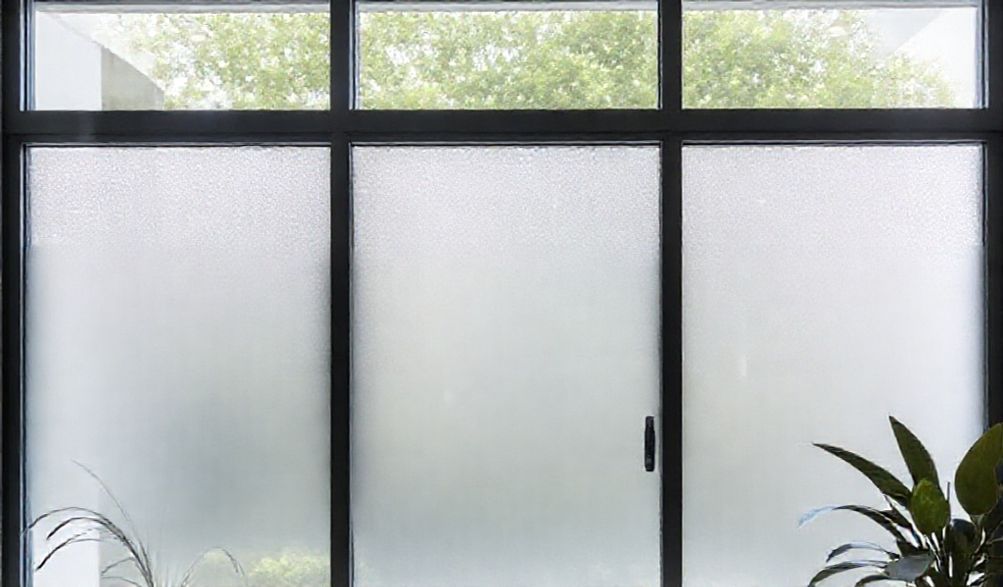
Healthcare facilities face a constant tension between visibility and privacy. Nurses need to monitor patients at a glance, yet patients deserve dignity and a sense of personal space. Traditional solutions—curtains, blinds, and frosted glass—each come with trade-offs in hygiene, maintenance, and flexibility. PDLC smart film offers a modern alternative that switches any glass surface from transparent to opaque in less than a second, giving clinical staff instant control over sightlines without sacrificing natural light or cleanability.
As hospitals, clinics, and long-term care facilities modernize their interiors, switchable privacy film is becoming a standard specification in patient rooms, consultation areas, and treatment spaces. This guide explores how PDLC smart film works in medical environments, where it delivers the most value, and what project teams should consider when specifying it.
Why Privacy Matters in Healthcare Design
Privacy is not just a comfort issue in healthcare—it is a regulatory and clinical requirement. HIPAA in the United States, GDPR in Europe, and similar regulations worldwide mandate that patient consultations, examinations, and discussions remain confidential. At the same time, evidence-based design research shows that access to natural light and visual connection to the outdoors can reduce patient stress, shorten recovery times, and improve overall satisfaction scores.
Traditional privacy solutions struggle to meet both demands simultaneously. Curtains block light, collect pathogens, and require frequent laundering. Blinds have cords that pose safety risks and harbor dust. Frosted or tinted glass provides permanent opacity, eliminating the option for staff to see through when needed. PDLC smart film solves this by offering a glass surface that is clear when powered on and frosted when powered off, controlled by a wall switch, remote, or building management system.
How PDLC Smart Film Works in Medical Settings
PDLC (Polymer Dispersed Liquid Crystal) film consists of a liquid crystal layer suspended between two transparent conductive films. When an electrical current is applied, the liquid crystal molecules align and allow light to pass through, making the glass transparent. When the current is switched off, the molecules scatter randomly, turning the glass opaque and providing instant privacy.
In a healthcare setting, this means a nurse can keep a patient room partition clear for monitoring during rounds, then switch it to opaque for an examination or private conversation—all without leaving the room or touching a curtain. The switching takes less than one second and draws minimal power (typically 3–5 W per square meter in the transparent state and zero in the opaque state), making it cost-effective for 24/7 facility operation.
Key Applications in Hospitals and Clinics
PDLC smart film can be applied to virtually any smooth glass surface in a healthcare facility. The most common applications include:
- Patient room partitions. Switchable film on interior windows between patient rooms and corridors allows staff to monitor patients visually while maintaining privacy during examinations, rest periods, or family visits.
- Consultation and exam rooms. Glass doors and walls in outpatient clinics can switch from clear (welcoming, open) to opaque (private consultation) instantly, eliminating the need for blinds or curtains that collect dust and bacteria.
- Emergency department bays. Fast-acting privacy partitions help manage patient flow in busy EDs, where the need for privacy can change by the minute.
- ICU and critical care. Smart film on observation windows gives nurses a clear view when they need it and privacy for families during difficult moments.
- Pharmacy and medication rooms. Controlled-substance storage areas can remain visually secure while allowing authorized staff to verify contents through transparent glass when needed.
- Reception and waiting areas. Switchable partitions can separate administrative functions from public waiting spaces, creating a calm, professional environment.
Hygiene and Infection Control Advantages
Infection control is a top priority in every healthcare facility, and surface cleanliness plays a central role. Curtains in patient rooms are a well-documented vector for pathogens, including MRSA, VRE, and Clostridioides difficile. Studies have shown that hospital privacy curtains can become contaminated within days of being hung, and laundering or replacing them is labor-intensive and costly.
PDLC smart film applied to glass surfaces eliminates the need for fabric barriers entirely. Glass with smart film can be wiped down with standard hospital-grade disinfectants in seconds—the same cleaning protocol already used for windows and glass doors. There are no folds, seams, or fabric layers to trap bacteria. This not only improves hygiene but also reduces ongoing maintenance costs associated with curtain laundering and replacement.
For facilities pursuing LEED or WELL certification, the reduction in chemical laundering and the elimination of disposable curtain waste can contribute to sustainability credits in the Materials and Indoor Environmental Quality categories.
Energy Efficiency and Patient Comfort
Beyond privacy and hygiene, PDLC smart film contributes to energy efficiency and patient comfort. In its opaque state, the film blocks up to 99% of UV rays and reduces visible light transmission, helping to manage solar heat gain in rooms with exterior glazing. This can lower cooling loads in warm climates and reduce glare on monitors and medical equipment.
The natural light that passes through in the transparent state supports circadian rhythm regulation, which is particularly important in hospital settings where patients may spend days or weeks indoors. Research in healthcare environmental design has linked daylight exposure to reduced pain medication use, shorter hospital stays, and improved mental well-being among both patients and staff.
Choosing the Right PDLC Film for Healthcare Projects
When specifying PDLC smart film for a healthcare facility, consider the following factors:
- Substrate compatibility. Self-adhesive PDLC film can be retrofitted onto existing annealed, tempered, or laminated glass, making it ideal for renovation projects. For new construction, factory-laminated smart glass may be preferable for areas requiring safety-rated glazing.
- Switching speed and durability. Look for film with a switching time under one second and a rated lifespan of 100,000+ switching cycles. Medical environments demand reliability.
- Edge sealing and wiring. In clinical areas, all wiring should be concealed in raceways or behind wall finishes. Edge sealing should meet facility infection-control standards with no exposed adhesive margins.
- Control integration. The film should integrate with the facility’s building management system, nurse call system, or occupancy sensors for automated privacy management.
- Fire and safety ratings. Verify that the film meets local fire codes for interior finishes in healthcare occupancies. Most PDLC films are rated Class A or Class 1 for flame spread.
Final Thoughts
PDLC smart film represents a practical upgrade for healthcare facilities looking to improve patient privacy, streamline infection control, and enhance the overall care environment. By replacing fabric curtains and fixed blinds with a clean, switchable glass surface, hospitals and clinics can reduce maintenance costs, improve hygiene outcomes, and create spaces that feel more open and less institutional. As the technology continues to mature and costs decrease, switchable privacy film is poised to become a standard element of modern healthcare design.
Contact us to discuss PDLC smart film specifications for your healthcare project. Wingofilm supplies self-adhesive and laminated PDLC products in OEM and wholesale quantities, with technical support from initial sampling through installation guidance.
<