
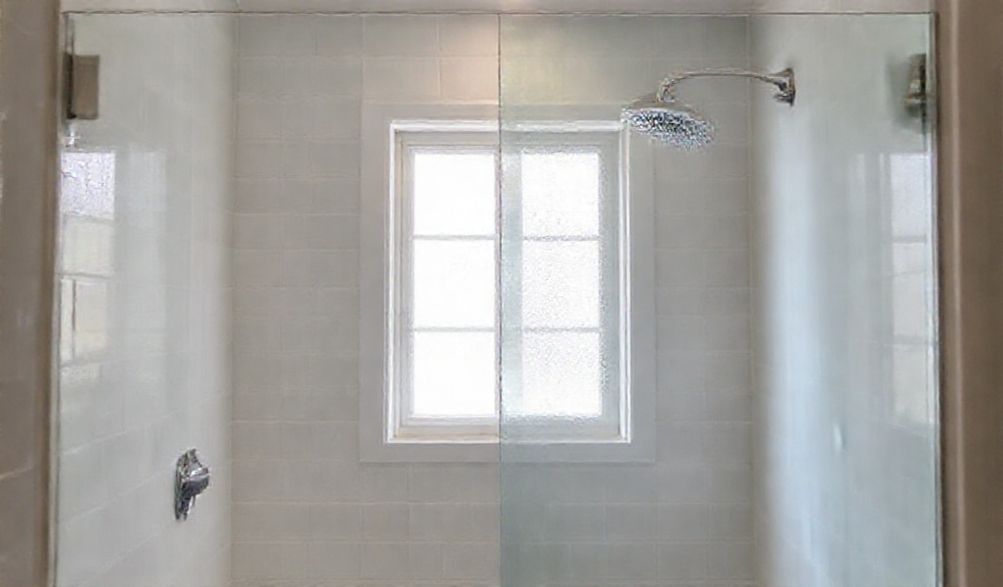
Luxury hospitality has always been about creating experiences that surprise and delight, and few upgrades deliver that “wow” factor quite like instant privacy on demand. PDLC (Polymer Dispersed Liquid Crystal) smart film is rapidly becoming a signature feature in five-star hotel bathrooms, executive suites, and resort villas worldwide. With a single electrical switch, a clear glass partition can frost to opaque in under a second, giving guests complete visual privacy without the visual heaviness of curtains, blinds, or etched glass. For hoteliers and interior designers, this technology is reshaping how bathroom layouts are conceived and how premium experiences are delivered.
In this guide, we explore how PDLC smart film is being integrated into luxury hotel bathrooms, the practical benefits it offers property owners, and what to consider when specifying it for a hospitality project.
1. Why PDLC Smart Film Fits the Hospitality Brief
Hotel guests expect three things from a luxury bathroom: comfort, cleanliness, and a sense of theater. Traditional privacy solutions — frosted glass, blinds, or switchable LCD panels — each have trade-offs. Frosted glass is permanent and reduces natural light. Blinds collect moisture, harbor mildew, and require regular maintenance. Switchable glass made with built-in PDLC lamination is excellent but expensive to retrofit after construction.
Self-adhesive PDLC smart film solves this elegantly. Applied directly onto existing clear glass, it transforms a standard partition into a switchable privacy surface in a single afternoon. There is no demolition, no glass replacement, and minimal disruption to operations. For properties undergoing renovation or rebranding, that translates into faster project turnaround and lower total cost.
For new builds, factory-laminated PDLC glass remains the gold standard, but the film retrofit option has opened the technology to thousands of mid-range and boutique properties that previously could not justify the investment.
2. The Guest Experience: Privacy on Demand
From a guest perspective, the magic is in the simplicity. A discreet wall switch — sometimes paired with a smart-room control panel or motion sensor — toggles the glass between transparent and opaque. Arriving in the bathroom, the guest sees a bright, open space with a clear view of the bedroom or the city skyline. The moment the door closes, a single tap frosts the glass, sealing the room in soft, milky privacy.
This dual-mode design is especially powerful in suites with bathtubs positioned beside feature windows, in urban hotels where bathrooms open onto the bedroom, and in resort villas where indoor-outdoor bathrooms face private gardens. The result is a space that feels expansive and connected when the guest wants it, and completely private when they do not.
Beyond privacy, PDLC smart film also acts as a rear-projection screen in its frosted state, allowing some properties to display ambient visuals, branding, or wellness content directly on the glass — a small but memorable touch that distinguishes the property from competitors.
3. Operational and Maintenance Advantages
Hotel operations teams care about durability, hygiene, and lifecycle cost, and PDLC smart film performs well on all three counts. The film surface is sealed and easy to clean with standard non-abrasive glass cleaners, with no fabric to launder, no mechanical parts to fail, and no tracks to dust. In high-humidity environments like bathrooms, this is a major advantage over blinds or curtains.
Modern PDLC films are rated for well over 100,000 on-off switching cycles, which translates to decades of typical guest use. Power consumption is minimal — most installations draw less than 5 watts per square meter — and the film remains in its frosted (privacy) state when power is off, so a power outage or system failure automatically defaults to privacy rather than exposing the guest. That fail-safe behavior is a quietly important safety feature in hospitality design.
4. Design Flexibility and Aesthetic Integration
PDLC smart film is not a one-size-fits-all product. It can be cut to nearly any shape, paired with tinted or low-iron glass, and combined with decorative interlayers, colored films, or branded patterns. For interior designers, this means the technology disappears into the design language of the room rather than dominating it.
Control options range from simple wall switches to integration with KNX, Crestron, Lutron, or BACnet building management systems. In a flagship property, the bathroom partition can be synchronized with the suite’s lighting scene, blinds, and audio — arriving in the room, the guest triggers a single “Relax” preset, and the glass frosts, the lights dim, and the music fades in. That level of orchestration is becoming an expectation at the top of the market.
5. What to Look for When Specifying PDLC Film for a Hotel
Not all PDLC films are equal, and specifying the right product is critical for hospitality use. Buyers should evaluate:
- Optical clarity: higher-end films reach 85%+ visible light transmission in the on state, while budget films may look hazy even when transparent.
- Haze in off state: a good film should appear uniformly milky white, with no patches, bubbles, or visible electrodes.
- Switching speed: under 200 ms is the industry benchmark; slower films feel sluggish.
- Voltage and driver compatibility: most films run on 48-65V AC transformers, and drivers should be sized for the total film area with margin.
- Warranty and lifecycle: reputable manufacturers offer 5-year product warranties and rate the film for 80,000+ hours of operation.
For projects in coastal or high-humidity environments, specifying a film with sealed edges and a UV-stable polymer layer will extend service life considerably. Installation should always be carried out by a certified applicator — poor edge sealing is the single most common cause of long-term failure.
Bringing It All Together
PDLC smart film has moved from a curiosity to a mainstream specification in luxury hospitality. It solves a real design problem — how to deliver privacy without sacrificing light, space, or aesthetics — in a way that also reduces operating costs and elevates the guest experience. Whether you are renovating an urban boutique property, designing a flagship resort, or fitting out a premium residential development, the technology is mature, the supply chain is global, and the guest expectation is now set.
Wingofilm manufactures both self-adhesive PDLC smart film for retrofit projects and factory-laminated PDLC smart glass for new construction, with optical-grade clarity, fast switching, and a 5-year warranty as standard. Our hospitality team works with hotel groups, interior designers, and contractors on specification, samples, and project rollout. Contact us to discuss your next project.