
LED Film Screen Project Power Planning Guide
WINGO ·
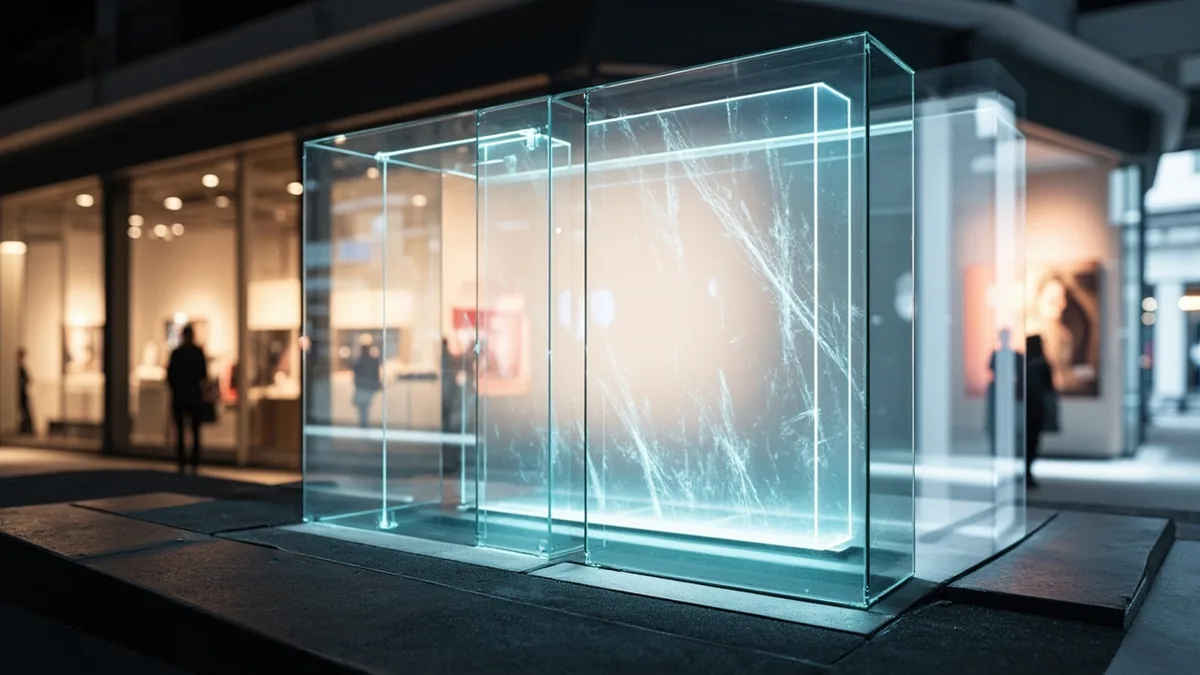
Plan LED film screen power, signal, installation, and site-fit questions before asking WINGO to confirm a suitable configuration.
Start with the display plan
An LED film screen is a flexible display surface that can be cut to suit the project and applied to glass or walls, including curved surfaces. Before discussing power, define what the screen must show, where it will be mounted, and whether the display is intended for close viewing, general viewing, or a larger audience. The final screen size, shape, resolution, and control arrangement determine the electrical load and the supporting equipment required.
Ask for a visual layout showing the proposed screen dimensions, mounting orientation, playback location, control position, and access routes for cables. This helps identify whether a simple installation is possible or whether the project needs additional planning around the building, power distribution, and signal control.
Confirm the electrical supply
Ask WINGO to confirm the input voltage, power consumption, connection method, and whether the supplied power arrangement matches the proposed screen configuration. The reference does not provide detailed electrical specifications, so do not assume that a standard outlet, existing circuit, or included component is sufficient.
Power planning should include the location of the supply, the route from the power source to the screen or control equipment, cable lengths, plug and connector requirements, circuit capacity, and any isolation or switching requirements identified by the supplier. A qualified electrical professional should assess the site supply and any work required around fixed wiring or building systems.
Review signal and control requirements
The film screen requires a connection to the signal and power for installation. Clarify what content will be played, where the media source and controller will be located, how the screen will be operated, and whether the control system will be integrated with other building or display equipment. Confirm the supported signal type, required adapters, control accessories, cable lengths, and commissioning steps before purchase.
Ask whether the proposed arrangement needs extension cables, converters, network access, a separate controller, or site-installed distribution equipment. These details can affect both the installation plan and the electrical scope, particularly where the display is mounted away from the media source.
Check the mounting surface and installation conditions
LED film screens are described as ultra-thin, ultra-light, flexible, and cuttable, with no steel frame structure required. That can simplify some projects, but it does not remove the need for a suitable mounting surface. Ask WINGO to confirm adhesion expectations, surface preparation, cleaning requirements, edge finishing, access for maintenance, and any restrictions related to glass, walls, curves, corners, or irregular shapes.
The installation method and final dimensions should be reviewed against the site conditions. Confirm whether the screen is intended for interior or exterior use, what environmental conditions apply, how the screen will be protected, and what replacement or removal considerations exist. Do not infer suitability for a particular surface without supplier confirmation.
Consider daylight, visibility, and operating use
The screen has high transparency and is intended not to affect daily lighting. That makes viewing conditions an important part of the planning brief. Consider the direction of daylight, interior and exterior brightness, reflections, the content’s visual contrast, the viewing angle, and whether the display is always on or used only for selected periods.
Transparency alone does not guarantee readable performance in every location. Ask WINGO to confirm the display’s viewing suitability for the planned content and environment. If the screen sits behind glass, identify whether any glass treatment, coating, tint, or double-glazing arrangement could affect the appearance or visibility of the display.
Agree the delivery, installation, and handover scope
Write down what is included in the proposed scope: screen material, cutting, cabling, control equipment, power components, site preparation, installation, commissioning, and user training. Confirm where WINGO’s work ends and which work belongs to the client, electrical contractor, fabricator, or building maintenance team. Also clarify how access, protection, cleanup, and adjustments will be handled.
Because the supplied reference gives limited technical and project-specific information, request written confirmation of all dimensions, included accessories, compatibility, electrical requirements, installation conditions, and any restrictions before ordering. If the project includes unusual geometry, high ambient light, special control needs, or a demanding operating environment, ask sales to confirm suitability with the relevant product team.
Questions to send before quotation
Send WINGO a concise project brief containing the intended use, approximate screen area, desired shape, mounting surface, viewing distance, content source, control method, power-source location, and installation timing. Ask for the proposed configuration, required accessories, power and signal checklist, site-preparation requirements, and any items that need site verification.
A clear brief helps WINGO distinguish a straightforward installation from a project that needs additional engineering or coordination. Share reference drawings, photographs, and site notes when available, but keep final technical suitability subject to WINGO’s confirmation. Invite the team to review the project with you so that power planning, signal requirements, and installation details can be aligned before commitment.