
Paint Protection Film: A Practical Vehicle Coverage Plan
WINGO ·
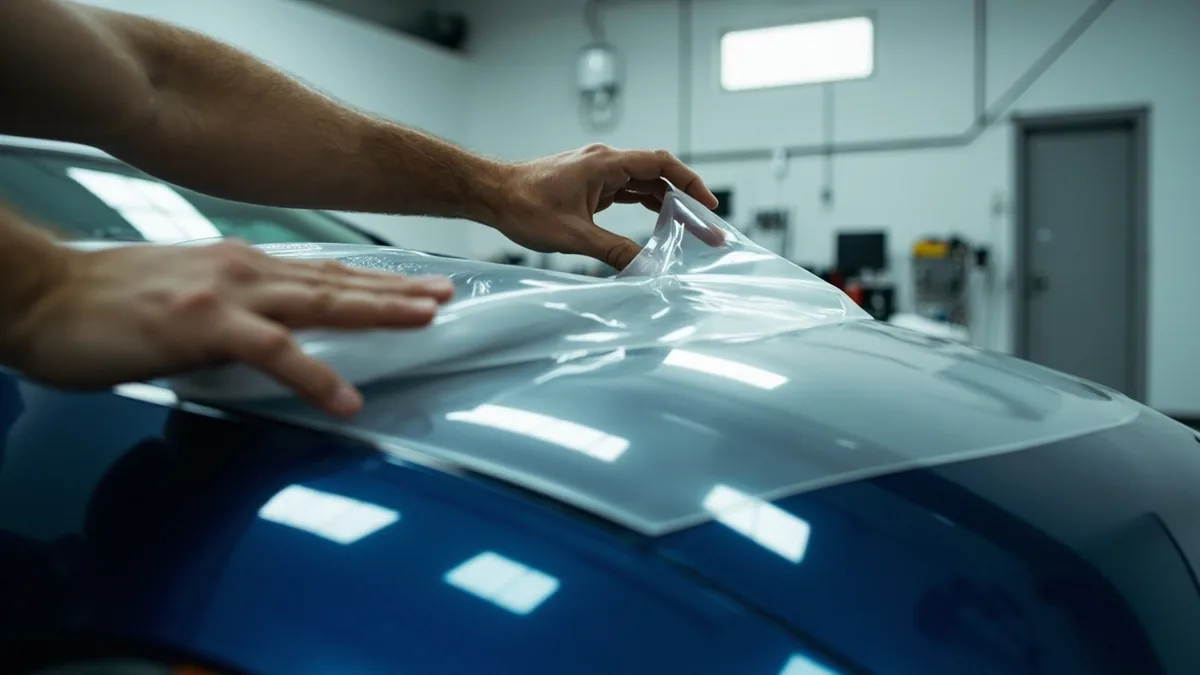
Plan paint protection film coverage around vehicle surfaces, finish goals, exposure, and care needs with clear questions for your WINGO supplier.
Start with the Goal
Paint protection film can help preserve a vehicle’s original paint by adding a sacrificial barrier against scratches, stone chips, stains, and everyday road exposure. WINGO offers several visible styles, so planning begins with deciding whether the priority is a glossy finish, a carbon-inspired appearance, or a smooth satin or matte look. The desired result should guide the conversation before any panel is selected.
Gloss Clear PPF is designed to enhance the vehicle’s overall appearance with a glossy finish. Carbon PPF combines a carbon pattern with protection, while Matte PPF is intended to preserve the character of satin or matte-painted surfaces. Appearance is only one consideration: color, panel shape, condition, and the vehicle’s usage environment must also be assessed.
Map the Vehicle by Panel
Create a panel-by-panel coverage map rather than treating the vehicle as one undifferentiated surface. Common planning areas include the hood, front bumper, front fenders, side mirrors, door edges, door handles, rocker panels, rear bumper, trunk area, and roof. Partial coverage can focus on the areas most exposed to stone chips and road debris, while broader coverage may be appropriate for vehicles used frequently on highways or in harsh outdoor conditions.
Adjacent trim, sensors, lighting elements, badges, and body contours can affect installation. Confirm whether the requested panels are already painted bodywork, appear to be carbon-fiber components, or have another factory finish. Sales should verify suitability for every area before agreeing to a coverage layout, especially where surfaces are uneven, deeply contoured, freshly painted, repaired, or previously modified.
Choose the Finish with Care in Mind
Gloss Clear PPF uses a hydrophobic formula intended to help water bead and roll off, supporting easier cleaning and a streak-free appearance. Its heat-activated self-healing topcoat can repair light scratches when the film is warmed. The film is described as non-yellowing and stain resistant, helping protect against water spots, bird droppings, and environmental contaminants while retaining a clear, glossy appearance.
Carbon PPF provides a carbon-pattern aesthetic alongside scratch resistance, self-healing behavior, and water repellency. Matte PPF combines a smooth satin appearance with hydrophobic and damage-resistant features, including protection against chips and stains. Because matte and satin finishes require different care habits, ask about compatible cleaning methods and maintenance expectations before selecting a finish for a vehicle already finished in either appearance.
Account for Exposure and Use
The vehicle’s driving and parking routine helps determine whether targeted or extensive coverage makes more sense. Highway travel, construction zones, gravel roads, frequent outdoor parking, and dense urban traffic may increase exposure to chips and contaminants. Vehicles stored indoors or driven less frequently may suit a more selective plan focused on visible, high-impact areas.
The supplied product information describes performance benefits, but it does not establish that any film can prevent all damage. Paint protection film is not a substitute for careful driving or prompt attention to contamination. Deep dents, severe impacts, damaged edges, and certain scratches may not be repairable through the self-healing feature. A plan should preserve useful protection while setting realistic expectations about what the film can absorb.
Prepare the Vehicle and Installation Area
Before installation, confirm the condition of the paint and identify existing scratches, chips, oxidation, stains, wax, sealant, or other coatings. A clean surface helps the installation team assess whether the paint is ready for film application. If there is uncertainty, have the relevant area inspected before work proceeds, and ask whether corrective detailing or other preparation is needed.
Plan for careful handling around the edges of panels and complex contours. The vehicle should be present for the agreed coverage review, and the customer should understand which areas are included, which are excluded, and how visible edges will be finished. Installation details and workmanship should be confirmed directly with the selected supplier rather than assumed from the product description.
Build a Care and Follow-Up Routine
Hydrophobic and water-repellent properties make ongoing care easier, but protection still depends on prompt and suitable maintenance. Ask for cleaning guidance appropriate to the selected finish, especially when choosing Matte PPF. Avoid placing additional products on the film unless the supplier confirms compatibility. Remove contaminants as soon as practical and use gentle handling around covered edges.
The care plan should also include periodic inspections of the covered areas. Light scratches may benefit from the self-healing function when treated with heat, but persistent marks should be evaluated before using heat or any corrective method. If film lifting, edge separation, bubbling, discoloration, or unusual residue appears, contact the supplier promptly for assessment rather than continuing to clean or treat it independently.
Questions to Confirm Before Ordering
Ask sales to confirm the exact vehicle, panels, and trim included in the proposed coverage map. Confirm the selected WINGO product and whether its gloss, carbon, satin, or matte appearance suits the vehicle’s paint. It is also important to clarify preparation requirements, installation scope, edge-finishing expectations, care instructions, and the process for reporting an issue.
Some suitability questions require direct confirmation: the condition of the paint, the presence of prior film or coatings, complex body contours, proximity of PPF to lighting components, and whether a panel has been refinished. These details are not resolved by the general product benefits and should be reviewed for the individual vehicle before installation.