
Paint Protection Film Care: Questions to Ask Before Installation
WINGO ·
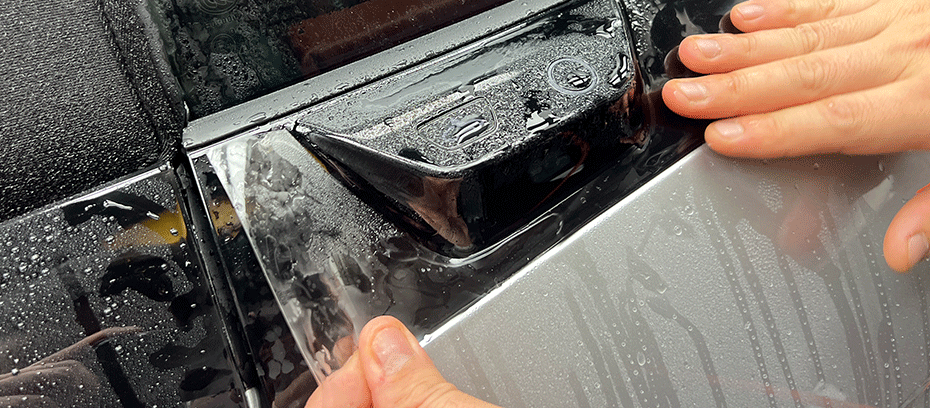
A practical guide to PPF care, finish selection, self-healing, cleaning, and the questions to confirm suitability with your installer.
Understanding the Available Paint Protection Film Finishes
WINGO offers paint protection film in Gloss Clear, Carbon, and Matte finishes. Gloss Clear PPF has a glossy finish designed to enhance a vehicle’s appearance while protecting against scratches, stone chips, and environmental contaminants. Carbon PPF features a carbon pattern that replicates the look of carbon fiber, combining protection with a decorative effect. Matte PPF is intended for vehicles with a satin or matte appearance, blending with that finish while providing self-healing, hydrophobic, and damage-resistant properties.
Before choosing a finish, consider whether the goal is to preserve the vehicle’s original look, emphasize gloss, or create a distinctive carbon-pattern appearance. A finish that complements the paint and overall styling will generally look more intentional than one selected only for its protective features.
What Does Self-Healing Mean for Your Film?
Gloss Clear PPF uses a heat-activated self-healing topcoat made from elastomeric polyurethane. Light scratches can repair with a simple heat application, while Carbon PPF and Matte PPF are also described as self-healing. This feature helps the film recover from minor marks that occur during normal use.
Self-healing is not the same as making every scratch disappear. Deep scratches, tears, edge damage, or marks that expose the paint may not be repairable with heat. The finish must also be treated appropriately. Ask the installer which heat source and application method are suitable for the selected film, especially for matte or patterned material, so the finish is not accidentally altered.
Hydrophobic Protection and Stain Resistance
Hydrophobic properties help water bead and roll away from the film, supporting a cleaner appearance after rain. Gloss Clear PPF also provides stain resistance against water spots, bird droppings, and environmental contaminants. Matte PPF is described as water repellent, and Carbon PPF as water repellent as well.
These properties reduce the likelihood that contaminants will sit on the surface, but they do not remove the need for regular care. Film should be washed safely and dried to prevent dirt from remaining on the surface. Avoid leaving bird droppings, sap, fuel, oil, or harsh chemicals in prolonged contact with the film because prompt attention gives the best chance of preventing staining or damage.
How Should Paint Protection Film Be Cleaned?
Start by confirming the cleaning guidance recommended for the exact film and finish with the installer or supplier. Gentle washing is generally the safest approach, followed by careful drying with a clean, suitable microfiber product. It is also important to identify any products or tools that should be kept away from the film.
Do not use abrasive cleaners, harsh brushes, or aggressive polishing unless the film supplier specifically approves them. Solvents and aggressive chemicals may damage the topcoat or leave marks, particularly on matte film where the surface appearance can be more sensitive. If contamination cannot be removed using the approved method, seek advice rather than applying extra pressure or switching to an unapproved product.
Will the Film Stay Clear and Non-Yellowing?
Gloss Clear PPF is described as non-yellowing, using technology intended to keep the film crystal clear under sunlight while maintaining the vehicle’s appearance. This is an important consideration for owners who want the protection to remain visually unobtrusive.
Film can still look less clear when the underlying paint is dull, dirty, or damaged. Installation quality, surface preparation, edge finishing, and ongoing care also affect the final presentation. For a vehicle with existing paint concerns, ask the installer to assess whether the surface is ready for application. Matte and carbon-pattern films are intentionally not visually clear, so expectations should be based on the chosen design rather than gloss clarity.
Questions to Confirm Before Ordering
Ask which finish is best suited to the vehicle’s paint and styling, whether the selected film provides the required hydrophobic, stain-resistant, and self-healing properties, and what cleaning products are approved. Also ask about panel coverage, visible edges, and whether any vehicle features require special cutting or handling.
Sales must confirm suitability for the specific vehicle, paint condition, and intended finish. Do not assume that a feature listed for one finish applies identically to every other product. If the vehicle has aftermarket paint, accessories, unusual panel shapes, or a wrap, explain those details during the inquiry so the installer can confirm the appropriate application plan. Gloss Clear, Carbon, and Matte PPF should be evaluated separately rather than treated as interchangeable versions of the same film.
Building a Simple Care Routine
A practical routine begins with safe washing, careful drying, and regular attention to visible contamination. Treat the film as part of the vehicle’s appearance, not as a surface that can be neglected indefinitely. When new scratches, stains, lifting edges, or unusual marks appear, document the issue and contact the installer or product supplier before attempting corrective work.
If you are planning a vehicle protection project, contact WINGO to discuss the vehicle, desired finish, surface condition, and care requirements. The WINGO team can help you compare the available paint protection film options and identify the details that should be confirmed before installation.