
Paint Protection Film: Essential Questions for Choosing an Installer
WINGO ·
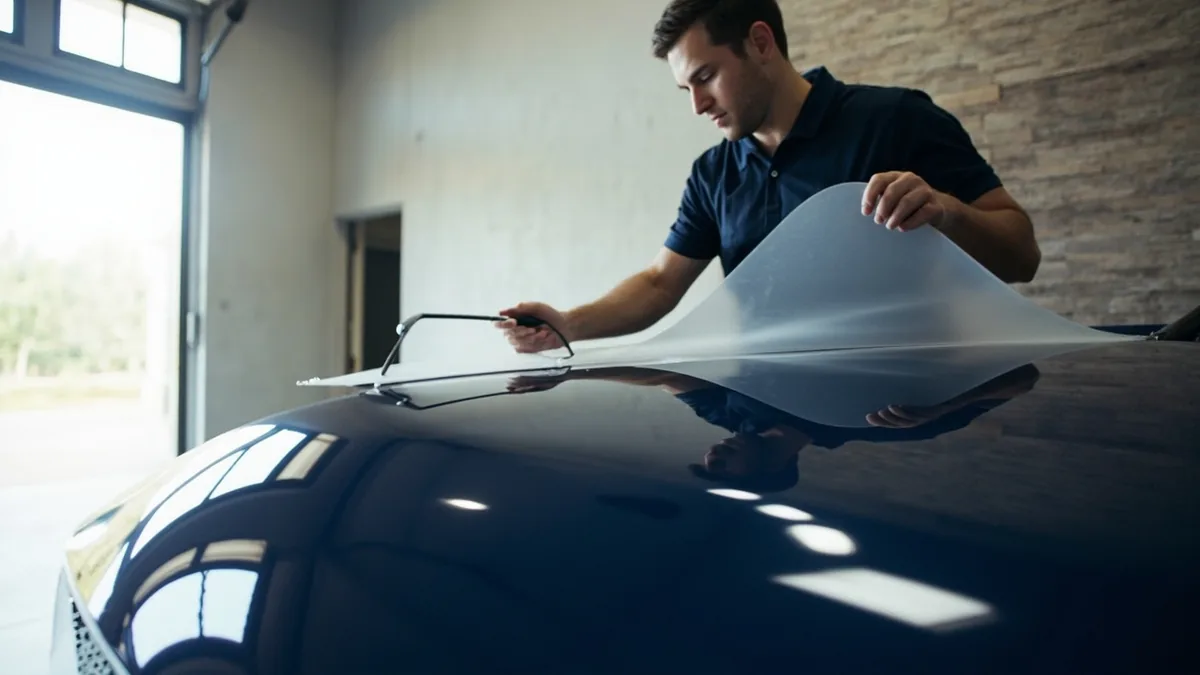
Learn what to ask before PPF installation, from film finish and coverage to surface preparation, workmanship, and aftercare.
Start with the Vehicle and Intended Finish
Paint protection film can help preserve a vehicle’s paint, but the right approach begins with a clear view of the car and the desired result. Ask the installer how they assess the paint condition, panel shapes, trim, edges, and areas that may need special preparation. Gloss Clear PPF is intended for a glossy appearance and includes hydrophobic, self-healing, stain-resistant, and non-yellowing features. Matte PPF is designed to preserve the character of a satin or matte finish and also offers water repellency, scratch resistance, and self-healing.
Carbon PPF serves a different purpose because it has a carbon pattern that creates a decorative appearance while providing protection. Confirm whether a visible pattern is appropriate for the vehicle, whether the pattern direction will look consistent across panels, and how it will affect the overall design. These finishes should be discussed separately because their appearance and care requirements may differ.
Ask Which Film Is Recommended and Why
A credible installer should be able to recommend a film based on the vehicle’s finish, styling priorities, condition, and expected use rather than applying the same product to every project. Ask which WINGO option they consider most suitable and what limitations they see. Gloss Clear PPF is suited to customers seeking a glossy protective finish. Matte PPF is intended for vehicles with a matte or satin appearance. Carbon PPF may suit a customer who wants both protection and a patterned aesthetic.
Ask the installer to explain how edges, curves, seams, and tight contours will be handled. The appearance of a finished installation depends not only on the film but also on preparation, fit, and workmanship. Request examples of comparable vehicle work when possible, but review the actual panels closely and do not assume that a general demonstration guarantees a similar result on another vehicle.
Define the Coverage Before Installation
Coverage should be confirmed panel by panel before the installer begins. Ask whether the proposal includes the hood, roof, doors, fenders, bumpers, mirrors, rocker areas, and other visible sections. Full-vehicle protection and selected high-impact areas are different choices, and the customer should understand exactly which panels and sections are included.
Also ask how the film will be finished around edges and whether trim must be removed. Explain that the film is designed to defend against scratches, stone chips, water spots, bird droppings, and environmental contaminants, but no film can make the vehicle immune to damage. The installer should identify exposed areas, difficult contours, or vehicle features that may limit a seamless result. Sales must confirm suitability for the specific vehicle and finish before work begins.
Check Preparation and Installation Standards
Preparation is a central part of film performance. Ask what cleaning and surface-inspection steps will be completed before application, how contamination will be addressed, and what will happen if paint defects or previously applied films are found. The installer should explain how fingerprints, dust, creases, bubbles, or lifting edges are handled during installation.
Questions about removal equipment, cutting methods, edge finishing, and cleanup can reveal whether the installer has a controlled process. Ask whether heat will be used during fitting and whether heat activation of the self-healing topcoat is part of the final inspection. For light scratches, the film is described as repairable through heat application, but heat should be used only as directed and should not be confused with a solution for deeper damage.
Understand Care, Limitations, and Aftercare
Request specific care instructions for the selected film, including safe washing, drying, cleaning products, and any restrictions around heat. Gloss Clear PPF is described as hydrophobic and stain resistant, while Matte PPF and Carbon PPF are described as water repellent. These properties can support easier cleaning, but they do not remove the need for prompt attention to bird droppings or other contaminants.
Ask how the installer expects the finish to look immediately after installation and during cleaning. Gloss, matte, satin, and patterned films have different visual characteristics, and aggressive products or incorrect techniques may alter the intended appearance. The installer should explain what can reasonably be expected, what should be avoided, and when a specialist should review a concern. Non-yellowing is a product feature of Gloss Clear PPF, while the long-term appearance of any installed film also depends on conditions, care, and exposure.
Review the Installer’s Responsibility
Before authorizing work, ask who will perform the installation, where it will take place, how long the vehicle will be unavailable, and how the final inspection will be documented. Clarify how questions about visible marks, edge conditions, or care will be handled after collection. A written summary of the selected film, coverage, preparation, finish, and care guidance helps ensure that both parties are working from the same expectations.
Be cautious about installers who promise protection against every type of damage or claim that a film is completely invisible. The relevant question is whether the proposed WINGO film suits the vehicle’s finish and whether the installer can achieve the agreed coverage with appropriate preparation and workmanship.
To discuss your vehicle, preferred finish, and coverage plan, contact WINGO for help selecting the appropriate paint protection film and preparing a clear brief for installation.