
Paint Protection Film Sample Inspection Guide
WINGO ·
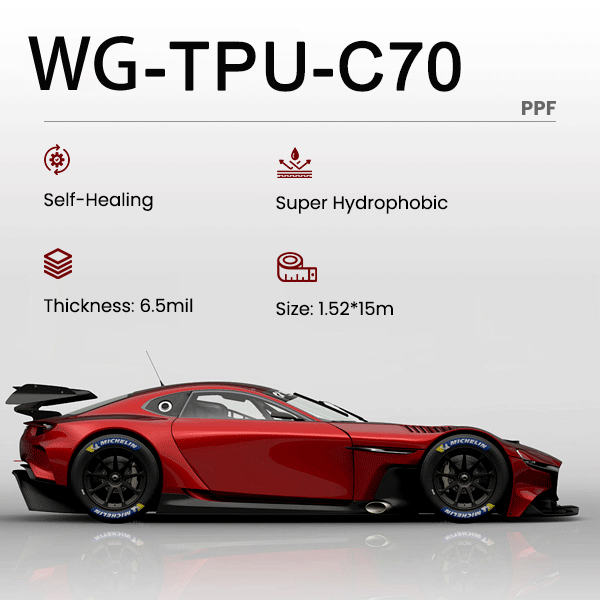
Inspect WINGO paint protection film samples carefully, ask the right selection questions, and confirm project suitability before ordering.
Why Sample Inspection Matters
Paint protection film is a surface material, so a small sample can help reveal important characteristics before a larger order. During inspection, check how the film looks, feels, and behaves in the conditions relevant to your vehicle. Samples should be handled as representative materials rather than complete installation tests, since fit, adhesion, and final appearance can depend on the vehicle, preparation, and installation process.
Ask WINGO for the relevant series and confirm whether the sample corresponds to Gloss Clear, Carbon, or Matte PPF. Each option presents a different visual direction: Gloss Clear is intended to enhance a glossy appearance, Carbon carries a carbon pattern, and Matte is designed to blend with a satin or matte finish. Visual preference should be balanced against the condition of the vehicle paint and the intended look.
Inspecting Gloss Clear PPF
For Gloss Clear PPF, place the sample under controlled lighting and look across its surface from several angles. The goal is to assess clarity, gloss, and any visible inclusions without relying on a single reflection. Confirm that the surface appears crystal clear and check for particles, bubbles, uneven areas, or handling marks.
The sample also provides an opportunity to discuss the described protective features. Gloss Clear PPF includes super-hydrophobic behavior, a heat-activated self-healing topcoat, non-yellowing performance, and stain resistance. Ask the supplier how these properties can be identified in a sample and request suitable care guidance. A demonstration of water beading can be informative, but it should not be treated as a substitute for a vehicle-specific compatibility check.
Comparing Carbon and Matte Samples
Carbon PPF should be inspected for pattern consistency, edge definition, and overall visual depth. Compare the sample with the desired vehicle finish and consider how the carbon pattern may affect the appearance of the protected area. Because the product is intended to replicate the look of carbon fiber, the sample is especially useful for confirming that this aesthetic suits the project.
Matte PPF requires a different visual check. Look for the smooth, satin-style surface associated with the series and evaluate how the sample handles light. Matte PPF is described as water repellent, scratch resistant, self-healing, and damage resistant. Discuss whether the intended paint area already presents a satin or matte appearance. Sales must confirm suitability when the vehicle finish, panel layout, or expected visual result creates uncertainty.
Checks for Handling and Sample Condition
Before accepting a sample, examine the edges and corners for lifting, creasing, contamination, or delamination. Avoid bending the material sharply, because a demonstration can damage the sample and obscure its condition. Check whether protective layers are clearly identified and ask for storage and handling instructions before the sample is used in a test.
Inspect the sample for consistency across its width and length. Look for visible scratches, cloudy areas, color shifts, or uneven coating. These observations do not prove how the installed film will perform, but they can identify a damaged or unsuitable sample. If a sample has been opened, marked, or altered, ask whether it should be set aside and replaced with a fresh example.
Questions to Confirm Before Ordering
Ask WINGO which product series the sample represents, what surface preparation is expected, and whether the installation is intended for a full vehicle, selected panels, or another coverage area. Clarify whether edges, recesses, adjacent trim, and other project details may affect installation and the final appearance.
Also request practical guidance on cleaning, stain response, and heat activation for light scratches. Confirm whether the chosen finish is compatible with the vehicle’s current paint appearance and whether sales should review any concerns before the order proceeds. Sales must confirm suitability where the project involves unusual surfaces, existing damage, complex contours, or uncertain finish expectations.
Setting Realistic Expectations
A sample can help assess appearance and handling, but it cannot fully demonstrate long-term protection, adhesion, or the final result on a vehicle. Installation conditions, panel geometry, paint condition, and coverage decisions all matter. Keep the sample as a reference for color, sheen, texture, and pattern rather than treating it as a guarantee of the completed installation.
Once the preferred finish and project scope are clear, contact WINGO to discuss the vehicle, the areas to be protected, and any installation questions. A natural first step is to share the sample observations with WINGO and request confirmation of the appropriate film and next steps for the project.