
PDLC Smart Film Sample Evaluation Guide
WINGO ·
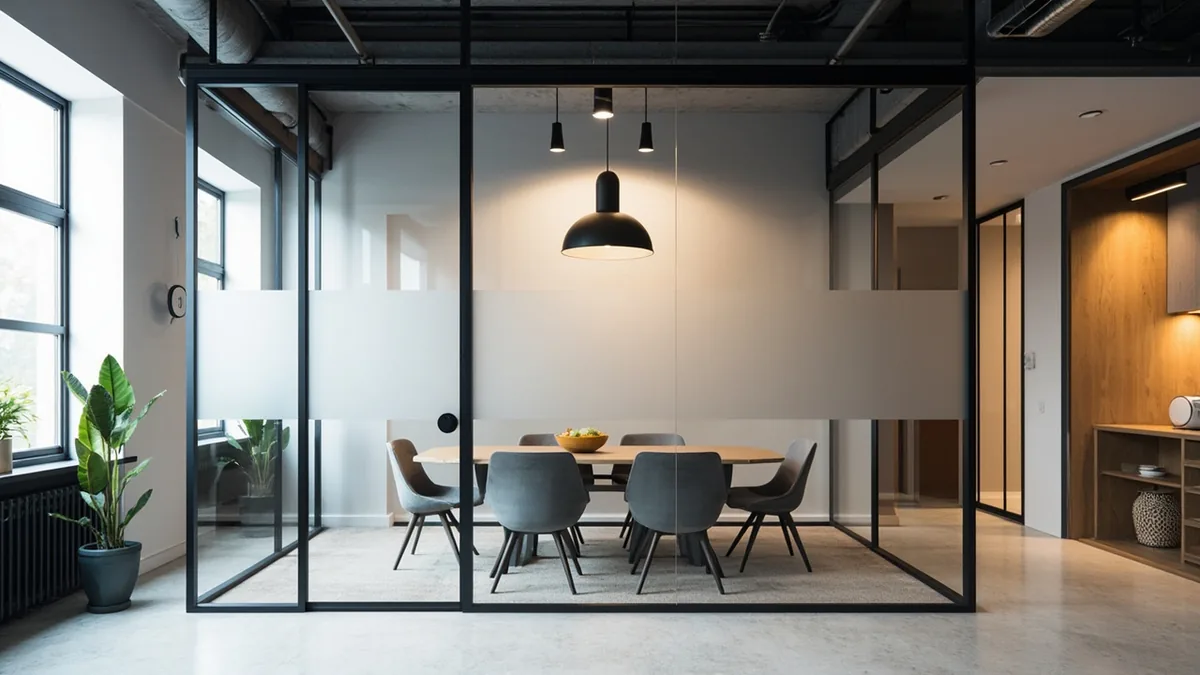
A practical guide for assessing a self-adhesive PDLC smart film sample before confirming suitability for a window, partition, or privacy project.
What a PDLC Sample Can Show
A PDLC smart film sample is a useful way to review the film’s basic appearance and switching behavior before ordering. The film is a thin, self-adhesive layer containing liquid crystal material and is intended for application to glass or other suitable glazing. In its unpowered state, the sample should appear opaque while still allowing some light through. When connected to an appropriate controller and powered, it should become transparent and provide instant privacy control. Because a small sample cannot reproduce every condition of a full installation, use it to check appearance, operating response, and the visibility of the glass rather than as a complete performance test.
How to Review the Sample
Begin by inspecting the film under normal indoor light. Look for a consistent surface, clean edges, and an even opaque appearance when the film is off. Then check the clear state with the controller connected, paying attention to whether the view is sufficiently clear for the intended use. If the sample is intended for a vehicle window, office partition, bathroom, bedroom, shop, or meeting room, compare the viewing experience with the privacy and visibility requirements of that setting. Ask the supplier to demonstrate the applicable operating mode using the supplied controller, remote, or app rather than assuming every control method is included.
Questions to Ask Before Selection
Confirm the film construction, available width, cutting options, and whether custom shapes or joined pieces are needed for the project. Ask whether the sample represents the same film construction and finish that would be supplied, and request clarification about the adhesive layer and protective films. It is also important to establish the glass and installation conditions, including whether the film will be applied to new or existing glass, whether specialist equipment is required, and how the electrical connection and switching controls will be arranged. Since sample behavior can differ from a large panel, confirm the expected appearance across the intended panel dimensions and viewing distances.
Limitations of Sample Evaluation
A sample cannot fully establish compatibility with every glass type, frame, edge condition, lighting environment, or control arrangement. It also cannot by itself confirm the performance of a completed installation. Review the film’s stated features, including transparency, UV blocking, glare reduction, infrared resistance, energy-saving behavior, rear-projection capability, and durability, against the project brief. Do not treat general feature claims as a substitute for checking the actual sample, the proposed glass, and the installation method. Sales should confirm suitability where the application involves unusual shapes, large glazed areas, vehicle use, or specialized installations.
When to Confirm with WINGO
Request a sample when you need to compare privacy, clarity, surface appearance, and control options before making a purchase decision. Share the approximate panel dimensions, intended location, glass condition, preferred switching arrangement, and any requirement for custom cutting or joining. WINGO can help determine whether the self-adhesive PDLC smart film is appropriate for the proposed use and explain which details need confirmation before an order is placed. If you would like to discuss a specific project or arrange a sample evaluation, contact WINGO to talk through the application and next steps.