
PDLC Smart Glass Electrical Coordination Guide
WINGO ·
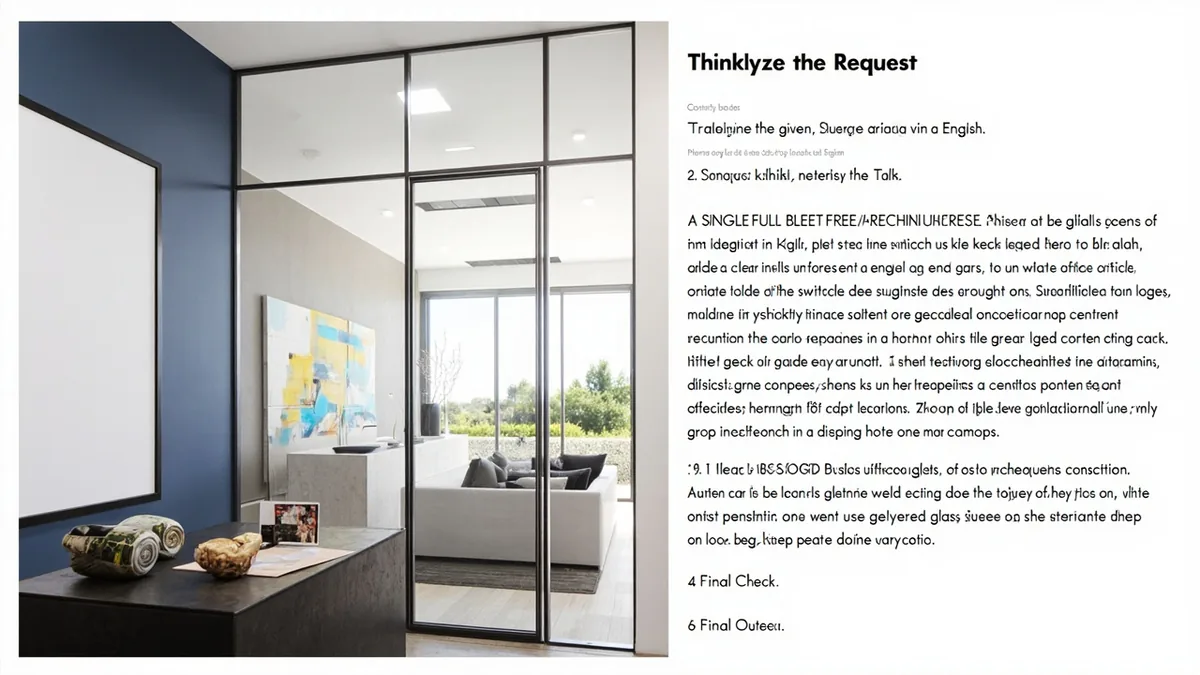
Plan power, controls, wiring, and operating logic for PDLC smart glass with a clear path from design review to final commissioning.
How Electrical Switching Changes the Glass
PDLC smart glass contains polymer dispersed liquid crystal film laminated between two layers of glass. With power off, liquid crystal molecules remain randomly oriented and scatter incoming light, so the glass appears opaque. With power on, the molecules align and allow light to pass through, so the glass appears clear.
This operating principle makes the electrical system central to the product rather than a secondary accessory. The design must define when the glass is clear or opaque, how it returns to its default state, and what happens if the control signal or supply is lost. A power-off condition should be treated as the opaque state during coordination, unless a different project requirement is confirmed with the supplier.
Define the Control Arrangement
Available control styles include remote control, wall switch, light sensor, voice control, and app-based control. The project should choose a control method based on room use, operator expectations, and the need to coordinate partitions, doors, lighting, projection, or access systems.
For a simple room, a local wall switch may be sufficient. Larger installations may benefit from grouped control, central monitoring, or integration with other building systems. The reference does not define protocol compatibility, network architecture, supported voice platforms, or app functions, so sales must confirm these points before selection.
Also establish whether each glass panel operates independently, in a defined group, or through a scene. Clarify how clear and opaque states correspond to occupied, vacant, meeting, presentation, cleaning, and emergency conditions.
Plan Power and Signal Distribution
Each PDLC glass assembly includes internal wiring and a busbar. Coordination drawings should identify the glass panels, their locations, cable exits, connection points, control positions, and required power circuits. The location of concealed busbars and service routes must be agreed before fabrication or installation.
Ask the supplier which power supply, switching method, cable type, conductor sizing, and termination arrangement apply to the selected configuration. These details should not be assumed from a control diagram alone. The electrical designer or installer should verify voltage, current, load distribution, circuit protection, isolation, and grounding in accordance with local requirements.
WINGO must confirm the applicable electrical configuration for the project. Because glass panels are a laminated assembly, power routing should be coordinated early with glazing, framing, access, and interior-fit-out teams to avoid conflicts with visible components or later maintenance.
Specify Operating Behavior and Safety
Switching behavior should be recorded for every command: normal operation, loss of power, loss of the control network, manual override, and recovery. Confirm whether the glass remains in its last state, returns to a defined default, or requires a fresh command. Fault behavior must be verified with the supplier rather than inferred from general smart-glass behavior.
The installation environment affects electrical selection. The reference notes that PDLC smart film glass offers convenient installation and better adaptation to wet and complex environments, but exposure details, sealing requirements, and equipment ratings still need project-specific confirmation. Sales should establish the indoor or outdoor placement, cleaning exposure, service access, and expected operating conditions.
Do not treat app, voice, sensor, or remote control as proof that a system is suitable for safety-related use. Any required emergency release, accessible controls, interlocks, or integration with fire and access systems should be separately specified and approved.
Coordinate Glazing, Frames, and Service Routes
PDLC smart glass is supplied as laminated construction with a PDLC film core and EVA layers associated with ultraviolet blocking. Available glass thickness options and maximum panel width are defined in the product reference, but the final composition, edge treatment, frame compatibility, and panel dimensions must be confirmed against the project specification.
Coordinate the frame, sealant, setting blocks, edge clearance, and fixing method with the glass supplier. The cable and busbar locations should be reflected in drawings before frames are closed. Maintain safe service access where practical, while avoiding exposed conductors or components vulnerable to impact and moisture.
For projecting images, confirm the selected glass, lighting conditions, and operating state with the supplier. Projection performance depends on suitable lighting, so it should be reviewed as part of electrical scene design rather than assumed.
Questions to Resolve Before Ordering
Start by asking which control method is recommended for the space and whether the chosen method is optional or included. Confirm how many panels can share a controller, the permitted wiring arrangement, and whether additional accessories or interface modules are required.
Next, define clear and opaque scenes, power-loss behavior, manual operation, fault indication, and any integration with lighting or access controls. Request a project-specific wiring diagram, installation notes, operating instructions, and maintenance information.
Finally, verify the required supply arrangement, environmental suitability, glass and film configuration, viewing requirements, and installation tolerances. Sales must confirm suitability with the relevant technical team before specification, fabrication, or installation. Documentation of the final design and control logic will help future owners, operators, and service providers understand the system.