
Window Film and Glass Compatibility: A Practical Project Guide
WINGO ·
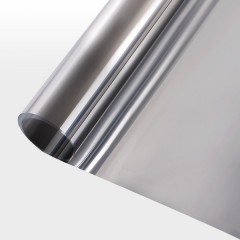
Learn how to assess glass compatibility, select a suitable film, and identify details that require confirmation before WINGO recommends a window film for your project.
Start with the glass, not the film
Window film selection begins with identifying the existing glazing and the conditions in which it was installed. Ask what type of glass is present, whether it is single or double glazed, and whether the panes are clear, tinted, coated, laminated, or insulated. Also note any unusual shape, texture, pattern, or surface treatment. These details can affect adhesion, appearance, and whether a film can be applied safely.
The reference describes Commercial & Residential Film for offices, shops, hotels, homes, and other modern buildings. Its stated functions include reducing harmful ultraviolet exposure, limiting heat buildup, improving energy efficiency, enhancing privacy, and adding a safety layer that helps prevent glass from shattering. Actual suitability still depends on the glass and installation conditions.
Questions to answer before choosing
Begin by asking how much visible light the room needs and how much privacy is required from outside. Some options create a strong mirrored effect, while lighter decorative shades retain more openness. Blackout and whiteout styles are suited to very different visual goals, so describe the desired view rather than naming a color alone.
Next, consider whether the priority is heat rejection, ultraviolet protection, privacy, decorative color, or a combination of benefits. The product range includes reflective silver, colored silver, and general colored options in several thicknesses and visual tones. Reviewing a physical sample is useful because reflections, room brightness, and color can look different from one another and from neighboring glass surfaces.
Glass condition and installation risks
Existing damage, peeling sealant, uneven edges, deep cleaning residue, and moisture can make application less reliable. Ask whether the glass has been recently repaired, replaced, or treated with a coating. Film should not be treated as a repair for broken or damaged glass. If the pane has a defect or the surrounding seal is failing, have the glazing assessed before proceeding.
Tempered glass, laminated glass, coated glass, and insulated units may all be candidates for film, but the manufacturer or glazing supplier should confirm whether application is appropriate for the specific construction. Heat buildup, cleaning methods, edge conditions, and the type of glazing can influence the installation method and final result. Do not assume every pane in a building has the same construction.
Double glazing, coatings, and reflective surfaces
Double-glazed windows may contain two glass surfaces and a sealed cavity. Sales should confirm whether the film is intended for the inside surface, outside surface, or both, and whether any manufacturer restrictions apply. Adding film to more than one surface can change visible light, reflections, and heat behavior. It can also create concerns about trapped moisture or uneven curing if the installation is not suitable for the unit.
Coated or reflective glass needs particular care because the existing surface may already reflect light. A film can change glare, privacy from different angles, and the appearance of neighboring buildings. Exterior applications may also expose the film to different weather and cleaning conditions. Confirm the intended side of the glazing and review the application instructions before ordering.
Where sales must confirm suitability
Sales must confirm compatibility when the glazing type, coating, edge condition, or installation environment is uncertain. They should also check the film-to-glass pairing, the intended application surface, the suitable cleaning procedure, and any curing or ventilation requirements described by the relevant product documentation. For unusual shapes or high-risk installations, ask whether a site visit or sample is needed before a final recommendation.
For laminated glass, ask how the interlayer and pane construction are arranged. For insulated units, provide the construction details rather than only the overall thickness. For coated glass, identify the coating and whether it is on the surface where film would be installed. Clear answers about these points help prevent avoidable problems and keep expectations realistic.
Prepare the project for a clearer recommendation
Collect photographs of each window type, basic measurements, and notes about visible damage or coatings. List the rooms, their privacy needs, the direction of sunlight, and whether the same appearance should continue throughout the building. If multiple glass types are present, separate them into categories because one product may not be equally suitable for every pane.
Finally, review the selected film in place during different lighting conditions and from both sides of the glazing. A showroom sample cannot show every reflection or color interaction on site. Once the glass details, installation surface, appearance, and performance priorities are confirmed, the project is ready for a more reliable WINGO recommendation.
Discuss your project with WINGO
If you are planning film for a home, office, shop, hotel, or other building, contact WINGO with your glass information and project priorities. The team can help review the options, identify compatibility questions, and clarify which details need further confirmation before a purchase decision.