
Window Film Project Survey Checklist
WINGO ·
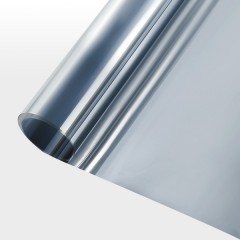
A practical survey guide for comparing light, privacy, heat control, appearance, and installation needs before selecting window film.
Start with the project’s priorities
A useful window film survey begins by identifying what the project needs most. Commercial buildings may focus on heat reduction, energy efficiency, security, and a consistent exterior appearance. Residential projects may place greater emphasis on comfort, privacy, and matching the interior décor. The available range includes reflective silver, colored silver, and decorative non-silver options, so the preferred result should be discussed before a product is selected.
Record every glazed area
Create a room-by-room or elevation-by-elevation schedule rather than relying only on rough building dimensions. Record each pane’s location, approximate width and height, number of panes, orientation, and whether it opens, tilts, slides, or remains fixed. Note doors, sidelights, transoms, skylights, and unusual shapes separately. Also identify any panes that may be measured or handled from different areas of the building.
Check the existing glass
Ask whether the glazing is single or double glazed, annealed, tempered, laminated, coated, insulated, or otherwise unusual. Note any existing film, decals, frosting, tint, or applied coating. Look for damaged, frosted, patterned, wired, textured, or visibly distorted glass, as these conditions may affect visibility, adhesion, installation, or the final appearance. Sales must confirm compatibility before ordering.
Define the light and privacy target
Describe the desired view from outside, the amount of light entering the room, and which windows need daytime privacy. Explain whether occupants need to look out clearly, whether reflections into nearby buildings are a concern, and whether nighttime privacy matters. Reflective silver products offer different visible light levels and exterior color effects, while blackout and whiteout options are more suitable where visibility must be fully or strongly restricted.
Assess appearance and room conditions
Ask how the film should relate to frames, furnishings, signage, neighboring façades, and interior colors. Review the room’s exposure to direct sun, nearby heat sources, condensation, moisture, and cleaning practices. Decorative choices range from subtle chill and blaze effects to bold blackout, whiteout, black, gold, green, blue, red, orange, yellow, purple, pink, and brown finishes. Appearance may also change with viewing angle and surrounding light.
Review installation and safety constraints
Confirm whether the panes are already installed, whether access is straightforward, and whether work must occur around occupants, tenants, trading hours, or interior furnishings. Flag any unusual height, restricted access, fragile glazing, or panel that cannot be safely reached. The film is described as adding a layer of safety by preventing glass from shattering, but it is not a replacement for appropriate safety glass, secure anchorage, or professional safety measures. Sales must confirm suitability for every glazing type.
Confirm details before purchase
Before final selection, request written confirmation of the recommended product for each identified pane, its visible-light character, thickness availability, exterior or interior appearance, installation method, and any preparation requirements. Clarify that the listed product data describe the film itself and do not guarantee a room’s final lighting, heat, privacy, or energy result. Those outcomes depend on glazing, orientation, climate, construction, and installation conditions. Discuss your project with WINGO to review the survey findings and select suitable options.